
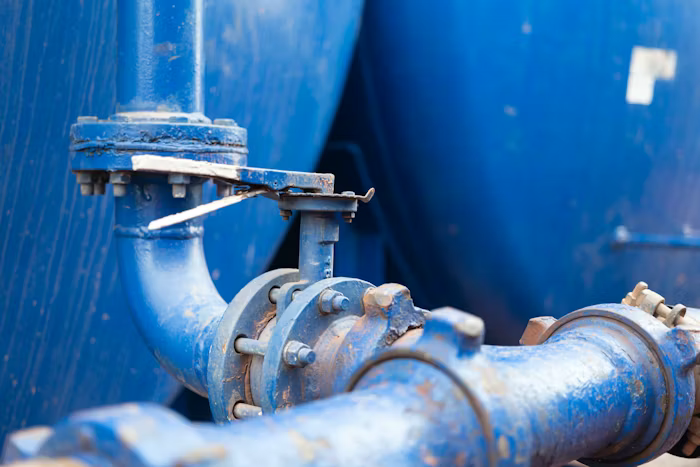
Industrial systems are only as reliable as the valves that control them. When valves fail, everything slows down. Sometimes everything stops. That is why Industrial Valve Repair is not just maintenance. It is protection for uptime and profits.
If you run a refinery or plant, you already know the stress. One stuck valve can mean pressure issues and safety concerns. The goal is simple. Keep operations smooth and keep downtime low.
A smart Valve Repair Solution helps your valves remain operational when it matters most. In this guide, we will break down what works and what to watch for. Ready to keep your system running instead of babysitting breakdowns?
Industrial Valve Repair: Why It Matters More Than You Think
Industrial Valve Repair is often pushed to the bottom of the maintenance list. That works until the day it does not. Valves operate in harsh environments, and they face heat and pressure daily.
Ignoring early wear can lead to leaks and failures. Both problems cost far more than routine repair.
The real cost of valve failure
When a valve stops working, the impact spreads fast. Production slows, and safety risks increase. Emergency shutdowns are expensive and stressful.
Plants that invest in proactive repair usually see better uptime and fewer surprises. It is not exciting work. But it keeps everything else running.
Systems that depend heavily on valve performance
Some environments are especially demanding. These systems rely on valves remaining operational at all times.
High-pressure processing lines
High-pressure systems push valves to their limits. Small seal damage can quickly become a major leak. Regular inspection and repair keep pressure stable and predictable.
Refineries and chemical plants
Refineries deal with heat and corrosive materials. Chemical plants face similar challenges. In both cases, valves take a beating every single day.
A strong Valve Repair Solution helps extend equipment life and reduce unplanned shutdowns.
Common Valve Problems That Signal Trouble
Most valve failures do not happen overnight. They send warning signs first. The trick is knowing what to look for.
Internal leakage
If a valve is not sealing properly, internal leakage often appears first. You may notice pressure drops and inconsistent flow. Both are early red flags.
External leakage
External leaks are easier to spot but more urgent. They can create safety hazards and environmental concerns. Quick Industrial Valve Repair prevents small leaks from becoming big problems.
Sticking or hard operation
Does the valve suddenly feel harder to turn? That is your system asking for attention. Friction buildup and component wear are common causes.
Ignoring this usually leads to full valve failure later.
Choosing the Right Valve Repair Solution
Not all repair approaches deliver the same results. A proper Valve Repair Solution focuses on accuracy and durability.
On-site repair versus off-site repair
Each option has its place. The best choice depends on your system needs.
On-site repair benefits
On-site service reduces downtime and transport risks. Technicians work directly within your facility. This keeps the valves operational with minimal disruption.
It is especially useful for large or fixed systems.
Off-site repair advantages
Off-site repair allows for deeper refurbishment and testing. Specialized equipment can restore valves to near-new condition. This option works well for scheduled maintenance windows.
Key Steps in Professional Industrial Valve Repair
Understanding the process helps you know what quality service looks like. A proper repair follows clear stages.
Inspection and diagnostics
Technicians first evaluate wear and damage. They check sealing surfaces and moving parts. Accurate diagnosis prevents repeat failures.
Disassembly and cleaning
Next comes careful disassembly. Components are cleaned and examined. This step removes buildup that affects performance.
Repair and part replacement
Worn components are repaired or replaced. Precision matters here. Proper tolerances help valves remain operational under pressure.
Testing and quality checks
Before returning to service, valves undergo pressure testing and function checks. This confirms the Valve Repair Solution worked as intended.
Preventive Maintenance Keeps Valves Operational
Waiting for failure is expensive. Preventive maintenance is far more predictable.
Build a smart inspection schedule
Routine checks catch small problems early. Most facilities benefit from scheduled inspections based on usage and pressure levels.
Track performance trends
Monitoring helps you spot patterns. If a valve shows repeated wear, deeper evaluation may be needed. Data-driven maintenance reduces guesswork and surprises.
Work with experienced repair specialists
Not all service providers understand high-pressure environments. Choose teams that regularly handle refinery and plant equipment. Experience often means faster diagnosis and longer-lasting repairs.
When to Schedule Industrial Valve Repair
Timing matters. Too early wastes money. Too late risks failure.
Warning signs you should not ignore
Watch for pressure instability and visible leakage. Also, pay attention to unusual noise and stiff valve movement. These signals often appear before major problems.
Ideal maintenance windows
Many plants schedule repair during planned shutdowns. This keeps operations smooth and controlled. It also ensures valves remain operational when demand peaks.
Additional Tips to Extend Valve Life
If you want your system to run smoothly for the long haul, a few smart habits can make a big difference. Industrial Valve Repair works best when it is paired with good daily practices and regular monitoring.
Train operators to spot early warning signs
Your operators are the first line of defense. When they know what to watch for, problems get caught faster. Teach teams to report pressure changes and unusual resistance during operation.
Small observations often prevent big failures. Early reporting also helps valves remain operational for longer periods.
Use proper storage and handling
Valves that sit in storage still need care. Poor storage can lead to corrosion and seal damage before the valve is even installed. Keep spare valves in clean and dry environments.
Proper handling during installation also matters. Rough installation can damage sealing surfaces and internal parts.
Document every Valve Repair Solution
Good record keeping helps you see patterns over time. Track repair dates and failure types. This data helps maintenance teams plan smarter inspections and avoid repeat issues.
A little organization today saves a lot of downtime tomorrow.
FAQs
How often should Industrial Valve Repair be scheduled?
Most facilities inspect valves annually or during shutdowns. High-pressure systems may require more frequent checks.
What is the goal of a Valve Repair Solution?
The main goal is to fix wear early and keep valves operational under normal and high-pressure conditions.
Can Industrial Valve Repair reduce downtime?
Yes. Proactive repair prevents sudden failures and keeps production running smoothly.
Conclusion
The performance of dependable systems depends on the performance of their dependable components. Industrial Valve Repair plays a quiet but critical role in keeping refineries and plants running safely.
The correct solution for valve repair provides more than just problem resolution. The system enables valves to function continuously under extreme thermal and pressure conditions. The system brings two benefits, which include decreasing expensive operational halts and reducing the need for urgent maintenance tasks.
Facilities that need constant flow and secure pressure management should implement preventative measures instead of waiting for equipment breakdowns to occur. Equipment maintenance through proactive repair techniques enables continuous operations while keeping machinery operational.
For More Insight, Click Below:
Expert Composite Reinforcement Applications for Strengthening Aging Industrial Structures
