
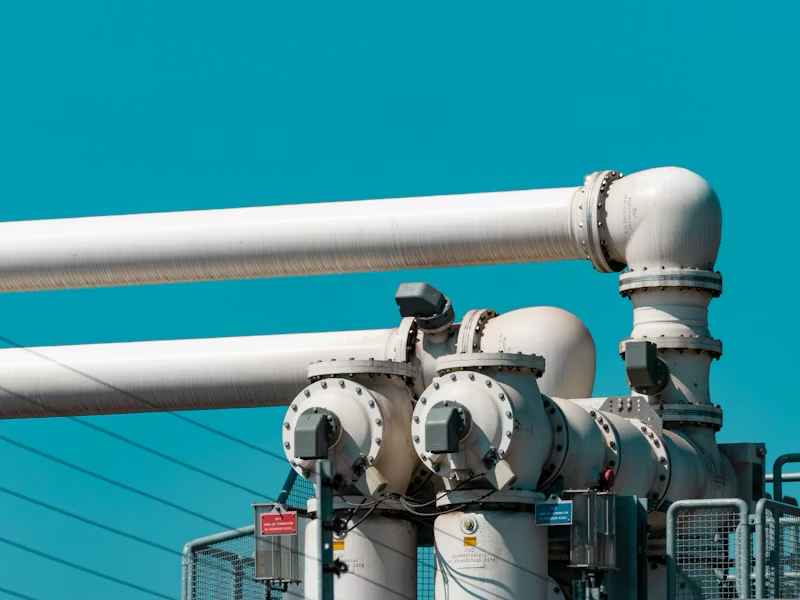
Working with industrial pipelines creates both dangerous situations and stressful work conditions. Ineffective operational systems lead to production shutdowns, which result from single operational errors. The maintenance and repair work process needs Isolating Piping Systems to guarantee its success.
Factories and plants depend on safe isolation practices. Workers also depend on proper Line Isolations and accurate Weld Testing methods. These steps help prevent accidents and improve operational efficiency.
This guide reveals how proven isolation and testing methods securely protect pipeline operations. The guide provides tips to implement simple renovation strategies that will boost your planning and performance.
Importance of Isolating Piping Systems in Industrial Operations
Preventing Pressure-Related Hazards
Industrial pipeline systems transport fluids and gases at exceptionally high pressure. The absence of suitable isolation procedures creates hazardous situations during repair activities. Line Isolations reduce risk and protect workers during maintenance tasks.
Safe isolation procedures create protection against accidental leaks and equipment malfunctions. The system maintains operational continuity while achieving reduced costs associated with equipment downtime.
Protecting Workers and Equipment
A safety protocol functions as the basic requirement for operations in heavy industrial sectors. The teams use isolation methods to create safe work environments. The combination of proper isolation equipment and monitoring systems enables better control of dangerous situations. The system establishes trust between technicians and their supervisors.
Proven Line Isolation Techniques for Reliable Results
Mechanical Isolation Methods
The category of mechanical line isolations contains both blinds and plugs. These devices function as barriers that prevent fluid movement while creating secure operational spaces.
Technicians use them during valve repairs and pipe modifications. Correct installation improves safety and task efficiency.
Double Block and Bleed Procedures
Double block and bleed functions as a reliable method for isolating systems. The system uses two valves together with a venting point to release built-up pressure.
This method confirms that pipelines are fully isolated. The system prevents the occurrence of pressure that remains contained in the system.
Role of Weld Testing in Pipeline Integrity
Detecting Weak Points in Welded Joints
The purpose of Weld Testing is to detect defects and determine structural weaknesses of materials. The inspection process uses two methods, which are visual inspections and non-destructive testing. The testing process must achieve precise results that demonstrate that welded joints will withstand both temperature changes and pressure increases. The system provides support that maintains its operational reliability throughout its entire lifespan.
The Process of Creating Maintenance Plans Requires Improvement
The maintenance team uses testing outcomes to determine their optimal times for conducting repairs. The ability to identify problems in their initial stages protects against expensive equipment failures and unplanned facility shutdowns. The implementation of planned maintenance strategies leads to improved asset durability and enhanced operational efficiency.
Integration of Isolation Procedures with Testing Methods
Coordinating Workflows Depends on Sequential Steps
The execution of successful projects needs all teams to work together through precise project development processes. The two groups that need to work together include isolation technicians and welding inspectors who must establish effective contact. The execution of proper planning leads to task execution in their designated order, which results in reduced confusion and better safety results.
The Process of Documentation Needs to Meet Compliance Requirements
Industrial regulations demand that organizations maintain comprehensive records of their testing and isolation procedures. The documentation process establishes proof of compliance, which also helps maintain product quality.
The creation of accurate reports enables effective audit operations and safety assessment procedures.
Common Challenges in Isolating Piping Systems
Limited Access and Complex Layouts
Industrial facilities face difficulties because their restricted areas combine with their complex piping systems. The existing conditions create obstacles that make isolation work more difficult to accomplish. The specialized equipment, together with their trained staff members, enables us to handle those challenges. Their specialized knowledge shows positive impacts on work efficiency.
Time Pressure During Shutdowns
Maintenance shutdowns are usually short and carefully planned. The teams face an urgent requirement because they need to finish both isolation work and testing within a tight timeframe.
The combination of effective preparation and skilled coordination enables our team to achieve deadlines while maintaining safety standards.
Future Trends in Line Isolations and Weld Testing
The future of line isolations and weld testing will follow upcoming industry developments.
Advanced Monitoring Technologies
Modern industries use sensors and digital tracking systems. These tools improve isolation accuracy and testing precision.
The availability of real-time data enables teams to reach faster decision-making. The result brings decreased risk together with enhanced work efficiency.
Training and Skill Development
Continuous training maintains technician expertise according to current safety regulations. The process of learning advanced methods leads to improvement in both job confidence and work performance.
The companies that focus on developing their workforce capabilities will achieve greater business success.
Best Practices for Safe Pipeline Isolation
Pre-Job Risk Assessment and Planning
The team needs to assess both operational hazards and site conditions before starting pipeline shutdown procedures. Planning activities through proper methods will enhance both safety measures and operational effectiveness. Workers perform two tasks because they need to verify pressure measurements while determining which fluid type is present. Workers confirm isolation points and emergency procedures through their verification process.
The assessment of risks enables teams to maintain safe operations during their maintenance tasks. The process verifies that all required equipment and authorization documents are accessible before work begins. This preparation reduces delays and improves coordination between technicians and supervisors.
Use of Certified Tools and Skilled Technicians
The utilization of certified isolation equipment leads to enhanced operational performance and equipment dependability. The experienced technicians possess essential knowledge about both the installation procedures and the required safety measures. The technicians use their practical knowledge to prevent vital components from developing sealing problems and experiencing pressure leaks.
Workers need training and certification programs because these programs boost their confidence and improve their job performance. The companies that dedicate resources to training their employees achieve superior maintenance outcomes alongside enhanced pipeline protection.
FAQs
Why is isolating piping systems important during maintenance?
The process of isolating piping systems allows maintenance teams to manage both system pressure and fluid movement through the system. The system delivers protection to personnel and equipment during maintenance operations and inspection work.
What are common methods used in line isolations?
The two main techniques used for line isolation work are mechanical plugs and double block procedures. The two methods establish secure work areas that protect against potential leaks.
How does weld testing improve pipeline safety?
Weld testing finds both weak joints and concealed faults in pipeline systems. The process ensures long-term system performance while protecting against pipeline system breakdowns.
Conclusion
The establishment of safe operating procedures requires organizations to implement proven methods for piping system isolation. The combination of effective Line Isolations with precise Weld Testing procedures leads to increased system reliability and decreased operational hazards.
Industrial teams that follow structured isolation workflows enjoy smoother maintenance cycles and fewer disruptions. The combination of safety measures with effective planning enables companies to safeguard their employees and equipment while sustaining operational efficiency. The combination of advanced equipment and expert workers guarantees organizations achieve enduring success in their pipeline management operations.
For More Insight, Click Below:
Advanced Leak Sealing Technology for High-Pressure Industrial Equipment and Pipelines
