
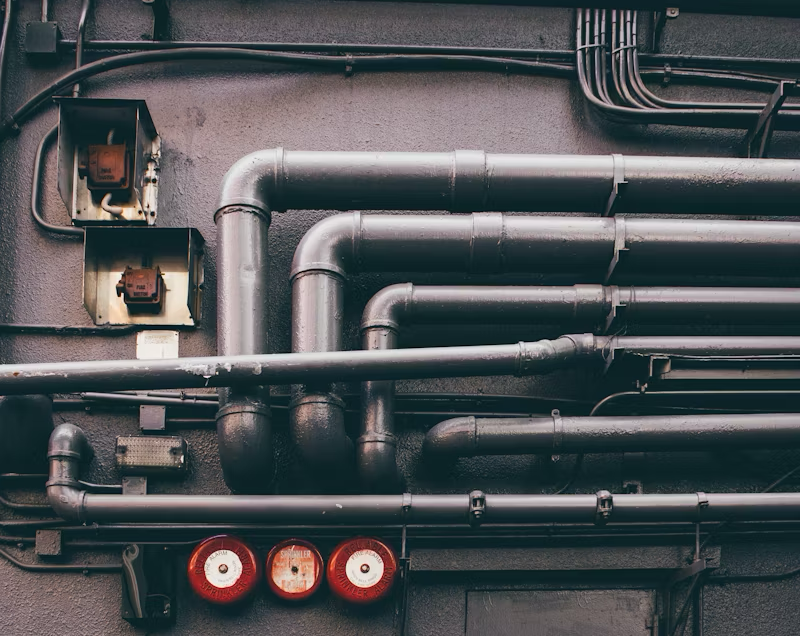
The constant operation of pipelines together with industrial machinery results in continuous equipment damage. Erosion stands as the primary danger to industrial operations. The initial damage remains hidden at first, but it evolves into substantial destruction over time.
The Erosion Monitoring System functions as a critical need for this situation. The system enables early detection of material loss, which helps to prevent expensive equipment failures. Erosion Monitoring needs proper Erosion Monitoring because minor problems transform into major danger.
Erosion monitoring serves as a mandatory requirement for industrial operations that value both safety and efficiency. Erosion monitoring serves as an essential function in Long Term Corrosion Protection, together with asset maintenance.
What Is an Erosion Monitoring System
Understanding the Basics
An Erosion Monitoring System is used to track the wear of materials in pipelines and equipment. The system tracks surface deterioration through its assessment of fluid flow and particle movement effects on surfaces.
The system enables operators to track erosion patterns throughout various locations. The system delivers data that helps maintenance teams make informed choices.
Why Erosion Monitoring Matters
The presence of erosion leads to pipe deterioration, which decreases their operational capacity. Severe erosion results in pipe leaks, which ultimately cause system breakdown.
The implementation of Pipeline Erosion Monitoring enables businesses to discover their operational problems in the early stages. The system decreases downtime while enhancing workplace security.
How Erosion Monitoring Works
Measurement Techniques
The research methods used in Industrial Erosion Monitoring include multiple approaches. Some systems use sensors placed inside pipelines. Other systems use external probes to measure the wall thickness of the pipes.
The tools gather data either continuously or through scheduled time intervals. The process enables monitoring of alterations together with the discovery of emerging patterns.
Data Collection and Analysis
The data gathered through research undergoes analysis to calculate erosion rates. The information enables engineers to forecast future maintenance schedules.
Accurate data leads to better planning. The data enables organizations to prevent unplanned equipment failures.
Types of Erosion Monitoring Systems
Intrusive Monitoring Systems
The pipeline system requires the installation of intrusive monitoring systems, which operate from within the pipeline. The systems deliver precise measurements that show erosion levels.
The systems provide measurements with high precision. The systems need equipment shutdowns to complete their installation process.
Non-Intrusive Monitoring Systems
The installation of non-intrusive systems happens at pipeline locations. The systems operate without disrupting normal business activities.
The systems require less effort for installation and maintenance tasks. The systems support ongoing monitoring activities.
Benefits of a Reliable Erosion Monitoring System
Improved Safety and Risk Reduction
The system helps reliability through its ability to detect problems before they reach dangerous levels. The system will help companies achieve better leak protection and equipment reliability.
Industrial workplaces make safety their first concern, which requires continuous monitoring through safety systems.
Cost Savings and Efficiency
The process of early detection enables companies to decrease their repair expenses. The system prevents unexpected operational interruptions that result from maintenance needs.
Equipment longevity increases through effective Corrosion and Erosion Management practices, which help companies achieve better operational efficiency.
Better Maintenance Planning
Monitoring systems provide accurate data. This data helps organizations create effective maintenance plans.
Companies can implement proactive strategies to deal with their operational challenges instead of waiting for their systems to fail.
Erosion Monitoring vs Corrosion Protection Erosion Monitoring vs Corrosion Protection
Key Differences
Erosion and corrosion are different but related issues. Erosion occurs when physical particles wear down surfaces. The process of corrosion occurs because of chemical interactions.
Both can damage equipment. That is why Corrosion Protection and monitoring must work together.
Integrated Management Approach
The combination of Erosion Monitoring with corrosion protection methods results in superior outcomes. The system enables a complete asset health assessment.
The organization will achieve operational reliability and safety through its integrated system.
Applications of Pipeline Erosion Monitoring
Oil and Gas Industry
Pipelines serve as the primary transportation method for the oil and gas industry. The erosion process begins when fluids reach high speeds while carrying solid materials.
Pipeline Erosion Monitoring helps detect issues early. The system protects against leaks, which would cause environmental destruction.
Power Generation and Manufacturing
The equipment in power plants and factories needs to handle extreme operating conditions. The process of erosion leads to decreased operational efficiency while raising operational dangers.
The monitoring systems maintain operational efficiency through their continuous functioning, which decreases operational interruptions.
Choosing the Right Erosion Monitoring System
Factors to Consider
The system requires both accurate results and reliable performance to meet its operational requirements. The system needs to provide both installation simplicity and maintenance simplicity.
Your operational requirements need to be fulfilled by the system. The system should deliver real-time data whenever it becomes necessary.
Working with Experts
The results improve when organizations work together with experienced service providers. The experts will identify the most suitable solution for your specific configuration.
The team provides assistance for both system setup and continuous technical assistance.
Common Causes of Erosion in Industrial Systems
High Velocity Flow and Particles
The primary reason for erosion happens when water moves at high speeds. When fluids move quickly through pipelines, they transport solid particles that strike the pipeline surfaces. Continuous particle impact produces material degradation through time.
This situation occurs frequently in industrial operations that handle both sand and debris within their process streams. Pipeline Erosion Monitoring needs to be conducted for damage assessment because it remains hidden until it reaches an advanced stage of development.
Poor System Design and Material Selection
Design choices that scientists make lead to erosion problems. Pipeline systems experience increased turbulence because of their design, which contains both sharp bends and sudden directional shifts. The pipeline system experiences increased pressure because of this situation.
The problem becomes more severe when incorrect materials are used for construction. Some materials degrade at a faster rate when they experience extreme environmental conditions. A Reliable Erosion Monitoring System enables users to detect all weak points that exist throughout their system.
Lack of Regular Monitoring
The risk of system failure grows when scheduled equipment inspections are not performed. The lack of Industrial Erosion Monitoring leads to minor problems, which transform into significant failures.
The system detects all modifications through its ongoing monitoring process. The system shows improved performance, which allows better management of Corrosion and Erosion while ensuring system efficiency during extended operation.
FAQs
What is an erosion monitoring system used for?
An erosion monitoring system is used to detect material loss in pipelines and equipment. It helps identify wear and prevent failures.
How does pipeline erosion monitoring work?
Pipeline erosion monitoring uses sensors and probes to measure changes in material thickness. This helps track erosion over time.
Is erosion monitoring the same as corrosion protection?
No, they are different. Erosion is caused by physical wear, while corrosion is caused by chemical reactions. Both need to be managed together.
Why is industrial erosion monitoring important?
Industrial erosion monitoring helps improve safety and reduce costs. It ensures equipment operates efficiently and lasts longer.
Conclusion
The Erosion Monitoring System functions as a protective measure for pipelines and industrial equipment. The system enables early detection of wear, which helps avoid expensive equipment breakdowns.
The combination of Erosion Monitoring and strong Corrosion Protection measures enables businesses to achieve better safety results and operational efficiency. The system enables organizations to make better decisions while managing their assets for extended periods.
A business should consider investing in a Reliable Erosion Monitoring System because it serves two purposes. The system protects your business operations while maintaining essential operational functions.
For More Insight, Click Below:
Precision Bolted Flange Joint Connections for Leak-Free and High-Integrity Assemblies
